
Property Inspection Checklist: What to Look for When Buying a Property
A buyer's guide to what to look at, listen for and check beyond the obvious
Property inspections can bedistracting.
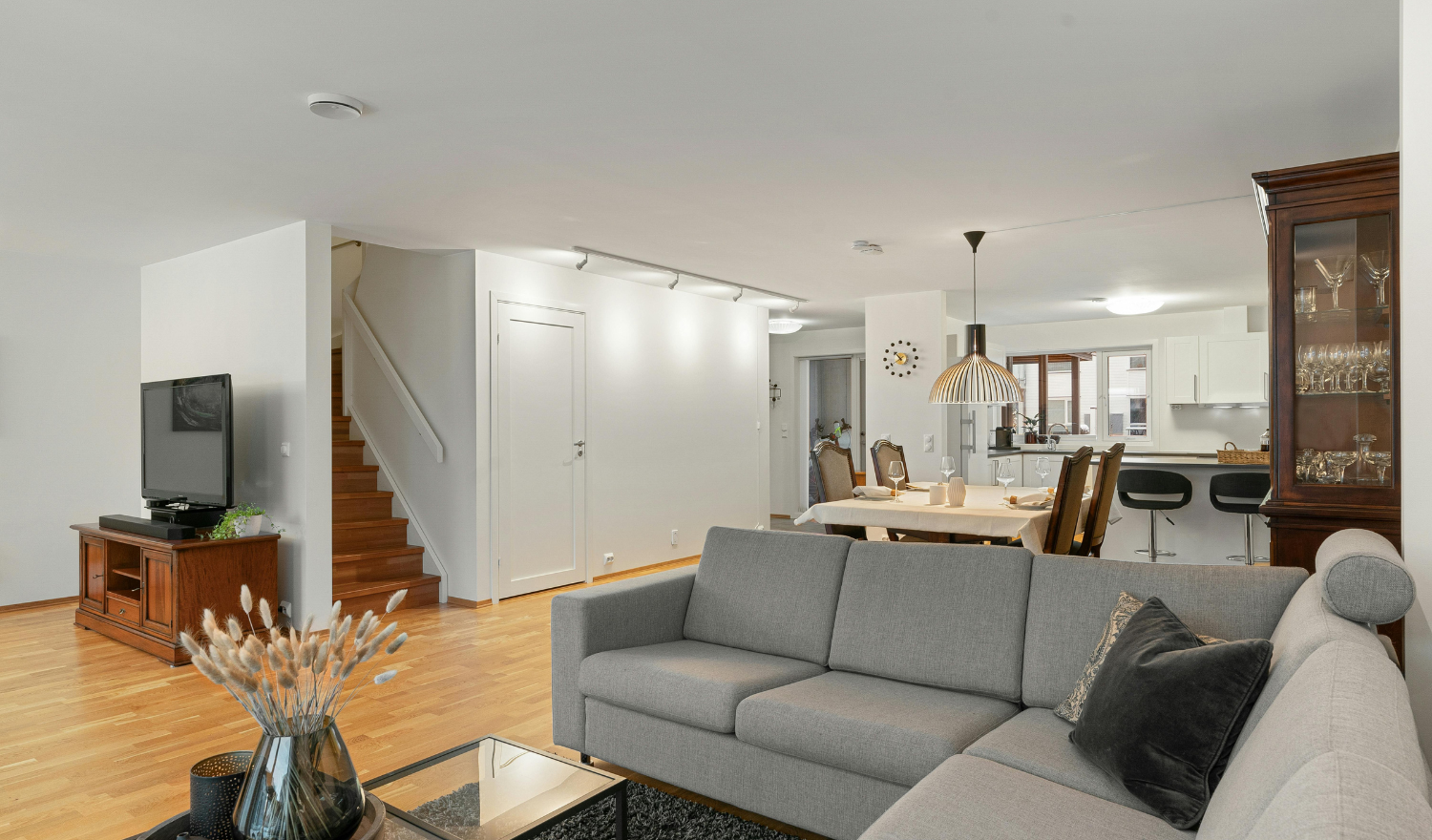
A beautifully styled home can feel bigger, brighter and more appealing than it really is. At the other end of the spectrum, a tenanted property filled with furniture and personal belongings can feel smaller, darker or less inviting.
Neither necessarily tells you much about the quality of the property you're considering buying.
A good property inspection is about separating what will leave with the current occupants from what you're actually buying.
At Investeps, our Buyers Advocates physically inspect the properties we're considering for clients. We're looking beyond presentation to understand how the property functions, its apparent condition, the land, its surroundings and anything that may warrant further investigation.
So, what should you look at, listen for and check before deciding whether a property is right for you?
One of the first things to do at an inspection is mentally remove everything that isn't part of the property.
Is the room actually small, or is it simply crowded? Does the layout work? Is there adequate storage? Where does the natural light come from?
Tenanted properties can be particularly difficult to assess when furniture and personal belongings fill the rooms. Add a busy open home and even a functional property can feel cramped.
Professional styling can have the opposite effect. Carefully selected furniture, artwork and lighting can make rooms feel larger, and help buyers imagine themselves living there.
Stagedproperties also rarely include a television. Furniture is often arranged to maximise the sense of space rather than reflect how someone would actually use the room. Consider where you would position a television, how the furniture would be arranged around it and whether the living area would still function comfortably.
Neither should drive your assessment.
The furniture leaves. The floor plan doesn't.
Consider the dimensions of the rooms, the relationship between living areas, bedrooms and bathrooms, storage, parking and how the internal spaces connect to the outdoors.
2. Check the things you can check
You don't need to be a buildinginspector to look carefully at a property.
Before progressing a purchase, our Buyers Advocates look for visible signs that may warrant further investigation.
That can include:
- movement or visible cracking
- signs of moisture or water staining
- the condition of wet areas
- water pressure and tapware
- doors and windows that don't operateproperly
- external maintenance
- retaining walls and drainage
- the apparent quality and age of renovations or repairs
- the visible condition of the roof and exterior.
An open-home inspection isn't the place to diagnose a structural problem. It is an opportunity to identify anything that deserves closer attention.
A visible issue might influence whether you proceed, whether further professional investigation is required, or how you assess the property's value and potential future costs.
3. Look beyond the obvious
An open home naturally directs buyers towards the property's best features. A thorough inspection should take in much more than that.
Where it is safe and accessible, look underneath raised homes, around wet areas and along the exterior of the building. Walk the boundaries. Check drainage and retaining walls. Step back and look at the roofline and how the house sits on the land.
These areas can reveal signs of moisture, drainage issues, maintenance requirements or other concerns that aren't immediately apparent when you're walking through the main living spaces.
Think about where water will move during heavy rain. Look at how the land falls towards or away from the house. Check areas where different materials meet and places where maintenance may have been deferred.
Look beyond where the inspectionnaturally takes you.
The aim is to understand as much as you reasonably can about the property before deciding whether it warrants further investigation.
4. Give yourself enough time
When you have multiple open homes to attend on a Saturday, it's tempting to walk through each property quickly and move on.
Time spent at an inspection cantell you a lot.
Our Buyers Advocates will often spend the full open-home period at a property. That gives us time to walk through more than once, revisit areas that warrant a closer look and get a better sense of how the property actually functions.
It also gives you time to stoprather than simply look.
Stand in the bedrooms. Spend a few minutes in the living areas. Walk around outside.
Then listen.
Can you hear significant traffic? Aircraft? Trains? Neighbours? Dogs? Nearby construction or commercial activity?
Open the windows and doors where appropriate and listen again. Some external noise can be far less noticeable when a property is closed up.
Also consider when you'reinspecting.
A street that's quiet at 10 am on Saturday may be very different during weekday peak hour. A neighbouring business may be closed. School traffic may be absent.
The inspection gives you one snapshot of the property. Think about what could change at other times of the day or week.
5. Pay attention to buyer behaviour
The other people at an open homecan also give you useful information about the sales campaign.
How many buyers are coming through? Are they taking a quick look and leaving, or spending significant time there? Are people returning for another walk-through? What kinds of questions are being asked of the selling agent?
This is another reason our Buyers Advocates spend time at inspections. It allows us to assess the property properly while also observing the level and type of buyer interest.
Buyer behaviour needs to be interpreted carefully.
A busy open home doesn't necessarily translate into a large number of serious offers. Comments made by other buyers aren't necessarily reliable either.
But when combined with days on market, competing stock, agent follow-up and the progress of the sales campaign, buyer behaviour can provide useful context around the level of competition for a property.
6. Walk the land, not just the house
It's easy to spend most of an inspection inside the property.
But the land is part of whatyou're buying.
Walk around the site and consider:
- the shape and usability of the land
- slope
- drainage
- retaining walls
- access
- fencing and boundaries
- orientation
- privacy
- outdoor space
- parking
- neighbouring properties
- how the house is positioned on the block.
Land size also needs context.
A smaller block with a good shape, usable outdoor space and strong position may offer more than a larger site compromised by slope, poor access or an awkward configuration.
What's considered an appropriate land size also changes between locations. A 300m² block may be entirely typical in one Brisbane suburb while 600m² is commonplace in another.
Zoning, frontage, shape, slope and planning controls can make two identically sized blocks very different propositions. Square metres alone don't tell you the quality of the land you're buying.
7. Inspect the street as well as the property
Your inspection should start before you reach the front door.
Take a look at the street.
How well maintained are the neighbouring properties? Is the home positioned on a busy road? What's directly behind it? Is street parking difficult? Are there large developments, commercial properties or vacant sites nearby?
Then consider the wider location.
Where are the shops, schools, parks and public transport? How easy are they actually to access?
A map might show a train station one kilometre away, but the experience of getting there could involve crossing a major road, navigating a steep hill or walking along a route that isn'tparticularly convenient.
Spend some time driving or walking the surrounding streets where possible.
This is where physical inspectionand broader property research start to come together. Location data can tellyou what's nearby. Being there helps you understand what living there may actually be like.
8. Look closely at renovations and maintenance
A recently renovated property canbe attractive, particularly for buyers who don't want immediate work.
Look beyond the finishes.
Does the workmanship appear consistent? How do the cabinetry, flooring and fixtures look on closer inspection? Are there signs of moisture around wet areas? Do doors and drawersoperate properly? Have improvements been carried through the property, or are there older areas that may require attention?
Renovations can range from comprehensive improvements to relatively simple cosmetic updates.
The same care should be taken with older properties.
A dated kitchen or older paintwork may be visually unappealing but relatively straightforward to change. Building condition, drainage, structural issues or significant deferred maintenance can be much more consequential.
Try to separate presentation, maintenance and underlying condition when you're assessing what you'rebuying.
9. Think about who else the property will appeal to
Whether you're buying a home or aninvestment, it's worth considering the property's broader appeal.
For an owner-occupier, that meansthinking beyond your own immediate requirements. Could the property also suitanother household or type of buyer when it eventually comes time to sell?
For investors, we consider bothtenant demand and future owner-occupier appeal.
Features such as a functional floor plan, usable outdoor space, privacy, parking, storage, natural light and access to amenity can broaden the number of people who may want to live in or eventually buy the property.
Understanding that future buyerpool is particularly important for investors. At some point, the property may need to be sold, and you want to understand who is likely to want it and why.
10. Know what the inspection can't tell you
Even a thorough physical inspection has limits.
Structural issues may be concealed. Termite activity may not be obvious. Problems can exist in roof cavities, footings, plumbing and other inaccessible areas.
There are also important considerations that can't be assessed simply by walking through the property.
Depending on the property, further due diligence may include checking:
- flood and overland-flow risk
- zoning and planning controls
- easements
- building approvals
- proposed development nearby
- title information
- body corporate records
- professional building and pest reports.
A thorough initial inspection does not replace appropriate professional due diligence.
It should help you understand the property well enough to identify concerns, ask better questions and decide whether it is worth progressing to the next stage.
Call OutBox or download:
A buyer's property inspection checklist
Before you leave your next inspection, work through three things: look, listen and check.
Look
- Does the floor plan actually work?
- Are the rooms functional without the current furniture?
- How is the natural light?
- Is there adequate storage?
- Are there visible signs of cracking, moisture or poor maintenance?
- How well have renovations or repairs been completed?
- Is the land usable?
- How does the property sit on the block?
- What are the neighbouring properties like?
Listen
- Can you hear significant road or traffic noise?
- Aircraft or trains?
- Neighbouring properties?
- Construction or commercial activity nearby?
- Does the environment change when windows and doors are open?
Check
- Water pressure and tapware
- Doors and windows
- Wet areas
- Accessible areas underneath the house
- Drainage and retaining walls
- Parking and access
- Boundaries and fencing
- The street and surrounding area
- Anything requiring further professional or property-specific due diligence.
And before making a decision, askone final question:
What haven't I checked yet?
The Investeps view
A good property inspectionrequires knowing where to direct your attention.
Furniture, styling and personalbelongings can dramatically change the way a property presents. They'retemporary.
The floor plan, building, land,location, street position and surrounding environment are what you're actuallybuying.
That's why our Buyers Advocatesphysically inspect the properties we're considering for clients rather thanrelying solely on listing photography, data and sales information.
Market data helps us understandthe location. Comparable sales help establish value. Property research canidentify risks and opportunities. Professional reports provide specialistassessment where required.
The physical inspection addsanother layer.
It allows us to see how theproperty actually functions, assess the land and surrounding environment,identify visible issues that warrant further investigation and understandthings that simply aren't apparent in an online listing.
Stand in the property. Walk theland. Look beyond the obvious. Listen to what's happening around you. And giveyourself enough time to understand what you're actually considering buying.
That's what a property inspectionshould help you do





-min%20(1).webp)