
Sherwood | Why Scarcity and Owner-Occupier Demand Matter in Brisbane's Inner South-West
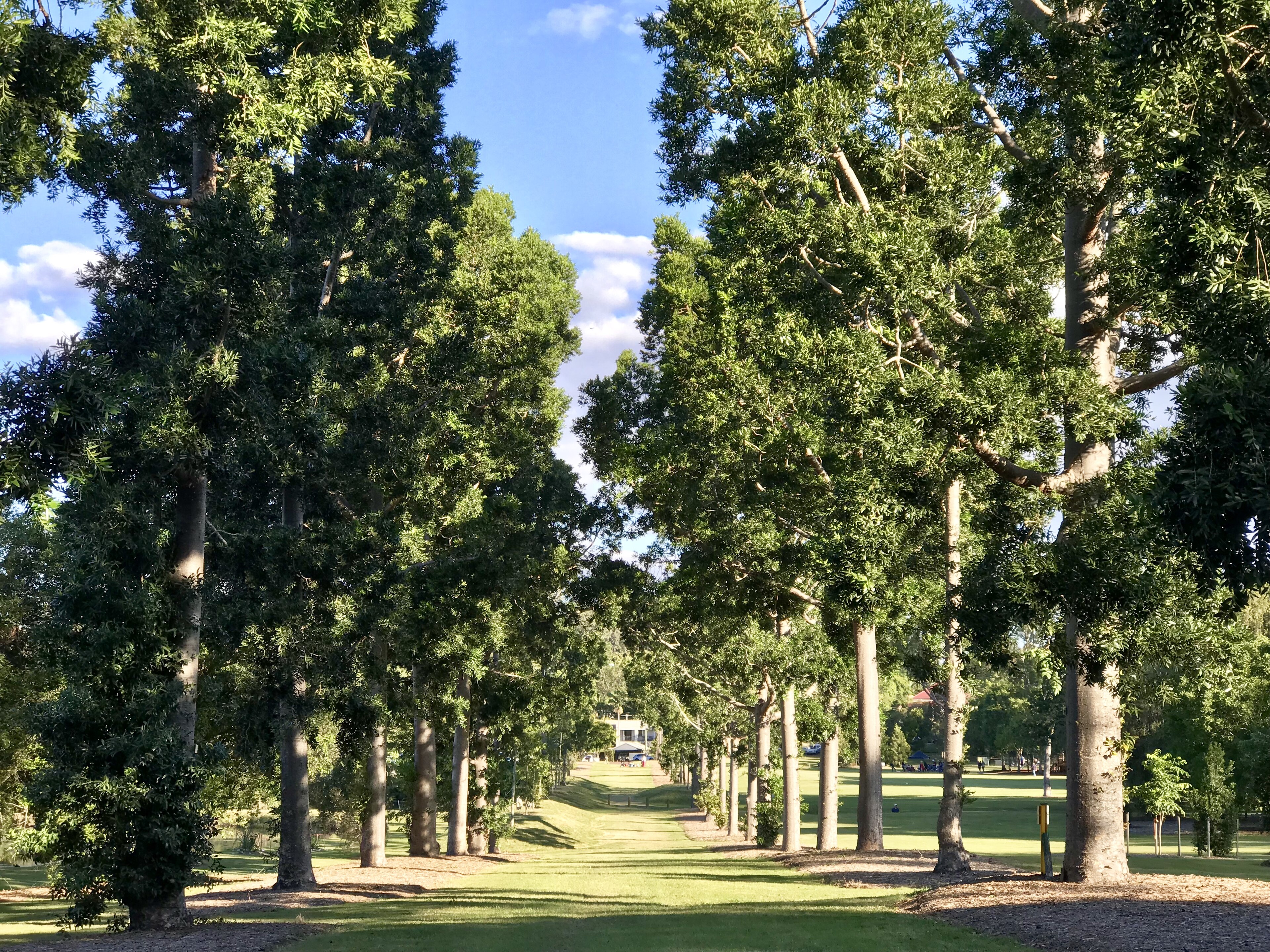
An established riverside suburb within Greater Brisbane's strongest-performing area this year
Every month, Investeps takes a closer look at one suburb through the same framework we use when assessing investment opportunities for our clients.
This month we're focusing on Sherwood.
Sherwood sits in Brisbane's inner south-west, bordered by the Brisbane River and served by Sherwood railway station on the Ipswich and Springfield lines. It's an established suburb of character homes, leafy streets and a busy local centre, with Indooroopilly's major retail and the University of Queensland a short drive away.
It also sits within the Sherwood–Indooroopilly area, which Cotality ranks as Greater Brisbane's strongest-performing market over the past 12 months. Dwelling values there rose 10.7% in the year to September, while Brisbane as a whole rose 5.9%.
That result is worth looking at closely, because it says a lot about where demand has held up as Brisbane's broader market has softened.
Why we continue to watch Sherwood
Sherwood combines several characteristics we typically look for in an established Brisbane market:
- rail access to the CBD and established road connections
- a local dining, retail and services centre
- access to well-regarded schools, the river and major parkland
- a mix of character homes, post-war houses, townhouses and apartments
- a high proportion of professional households
- very limited opportunity to create new detached housing in an established, river-bounded suburb.
Sherwood's population is relatively affluent and professional. At the 2021 Census, 38.4% of employed residents were professionals, compared with 21.4% across Queensland, and the median weekly household income was $2,034 compared with $1,675 statewide. More than a quarter of residents (27.7%) worked from home, double the Queensland figure of 14.1%.
Families are a large part of the market. Couples with children made up 44.8% of families.
Housing tenure is well balanced. Around 36.4% of occupied dwellings were rented, 32.6% were owned with a mortgage and 28.4% were owned outright. That gives Sherwood depth in both rental demand and owner-occupier demand.
Established amenity supporting demand
Like Everton Park, which we looked at last month, Sherwood's appeal isn't built on infrastructure that may arrive years from now. Most of what supports demand is already in place.
Transport. Sherwood railway station is on the Ipswich and Springfield lines, about 11 kilometres from Central by rail. Sherwood Road and Oxley Road connect the suburb to Indooroopilly, Toowong and the surrounding western suburbs.
Local centre. Sherwood Road and the surrounding local centre offer supermarkets, cafés, restaurants and everyday services, with Oxley Road's retail and dining strip running through neighbouring Corinda and Graceville. Indooroopilly Shopping Centre is nearby for larger retail.
Schools. Sherwood State School operates under an enrolment management plan, which allows the principal to restrict out-of-catchment enrolments so that in-catchment students can enrol. For family buyers, being inside a catchment like this can be a deciding factor. Several private schools are also close by, including St Aidan's Anglican Girls School in neighbouring Corinda.
Parks and the river. Sherwood Arboretum, on the river, includes historic kauri trees planted in the early 1900s, a large playground and riverside paths. It's a genuine point of difference for families and a reason many people choose the area.
For an investor, none of these are headline projects. But reliable transport, schools, retail and green space are exactly the kind of fundamentals that support long-term liveability and broad buyer demand.
What the current property market tells us

Sherwood is a tightly held, higher-priced market.
According to Cotality data covering the 12 months to June 2026, Sherwood's median house price was around $1,825,000, with 69 house sales and a median of 21 days on market. The median rent for houses was around $795 a week, a gross yield of about 2.7%.
Units recorded a median of around $805,000 from 62 sales, with a median rent of about $620 a week and a gross yield of about 3.9%. Units sold in a median of 18 days.
A few things stand out.
First, house sales volumes are low. Around 69 sales in a year is not many for a suburb of this size, which reflects how tightly held the detached housing stock is.
Second, house yields are low. At under 3%, Sherwood houses are primarily a capital-growth and land-value proposition, not a cash-flow investment. With the cash rate at 4.60%, holding costs need to be planned carefully.
Third, the gap between house and unit prices is large. That creates two quite different investment cases within the one suburb.
These figures are a useful starting point, but they also show why suburb-wide statistics need to be treated carefully. At the 2021 Census, 51.5% of occupied dwellings in Sherwood were separate houses, 16.1% were townhouses or similar and 31.8% were flats or apartments. A renovated Queenslander on a quiet, flood-free street is a very different proposition to a unit in a large complex on a main road.
As always, we focus on buying the right asset rather than simply buying in the right suburb.
What we'd be looking for
When assessing an investment opportunity in Sherwood, we'd be looking for properties with broad long-term appeal rather than chasing the highest current yield.
That could include:
- character or post-war homes on usable land, where land value makes up a strong share of the price
- properties above flood levels, on quieter residential streets
- homes within the Sherwood State School catchment
- walkable access to the station, local centre and parks
- functional family floor plans, or the potential to improve one without overcapitalising
- townhouses or units in smaller, well-maintained complexes with healthy sinking funds, for investors working with a lower budget
- properties that would appeal to both tenants and future owner-occupiers.
Owner-occupier appeal is especially important in Sherwood. The features that attract families, such as space, schools, the river and a sense of community, are the same features that support resale value. When the time comes to sell, a property with broad appeal to local families has a deep pool of potential buyers.
Curtis and Trent discussed this idea in Episode 7 of Brisbane Property Pulse: within the same council area, owner-occupier demand, school catchments, flood exposure and even which side of the street a property sits on can all influence its value.
Investment considerations
Flood risk. Flooding is the most important property-level consideration in Sherwood. Parts of the suburb near the Brisbane River were affected in both 2011 and 2022. In February 2022, homes in streets including Strickland Terrace and Johnston Street were inundated, and much of Sherwood Arboretum went under water. Flood exposure varies a great deal from street to street, and even between neighbouring properties. Check every address through Brisbane City Council's Flood Awareness Map and a FloodWise Property Report, and consider insurance costs as part of your holding costs.
Character and planning controls. Many of Sherwood's older homes are covered by character or heritage protections, which can limit demolition and change what you're able to do with a property. That can support the suburb's character and scarcity, but it affects renovation and development plans. Check the zoning and overlays for any property before you buy.
Unit supply. Units have performed strongly, but newer apartment buildings near the local centre and main roads mean investors should look closely at competing supply, body corporate costs and building quality.
Main roads and rail. Proximity to Sherwood Road, Oxley Road and the rail line brings convenience but also traffic and train noise. Quieter pockets can produce very different outcomes. It's worth visiting at different times of day, as we cover in our property inspection checklist.
Entry price. With a median house price well above Brisbane's median, Sherwood houses require a significant budget. For many investors, the question will be whether a house in Sherwood or a comparable budget spread across other markets better suits their strategy. A portfolio review can help answer that.
Investeps view
Sherwood shows why established, tightly held suburbs with genuine owner-occupier appeal have held up better than the broader Brisbane market this year.
Its appeal is supported by rail access, schools, the river, an established local centre and a limited supply of detached housing.
But that doesn't make every property in Sherwood a strong investment.
Flood exposure, planning controls, street position, housing type and the price paid can all materially change the investment case, and in a suburb where house prices sit well above the Brisbane median, mistakes are expensive.
For us, the lesson is the same one that applies across Brisbane: suburb selection is only the starting point.
A quality investment is more likely to come from identifying a property with enduring demand, broad buyer appeal and limited obvious weaknesses, and buying it at a price that makes sense for the investor's strategy.
If you're considering Sherwood or Brisbane's western suburbs, our buyer's agents can help you find and assess the right property. Get in touch.
Sources
- Cotality Home Value Index, October 2026 (Sherwood–Indooroopilly SA3 +10.7%)
- Sherwood sales, rents and yields (Cotality data, 12 months to June 2026)
- ABS 2021 Census QuickStats, Sherwood (Qld)
- Sherwood State School enrolment management plan
- Sherwood railway station
- 2022 flood impacts (Sherwood Arboretum Local Bulletin, April 2022)
- Brisbane City Council Flood Awareness Map and FloodWise Property Reports





-min%20(1).webp)