
Camp Hill | Why Lifestyle, Scarcity and Owner-Occupier Demand Matter in Brisbane's Inner South-East
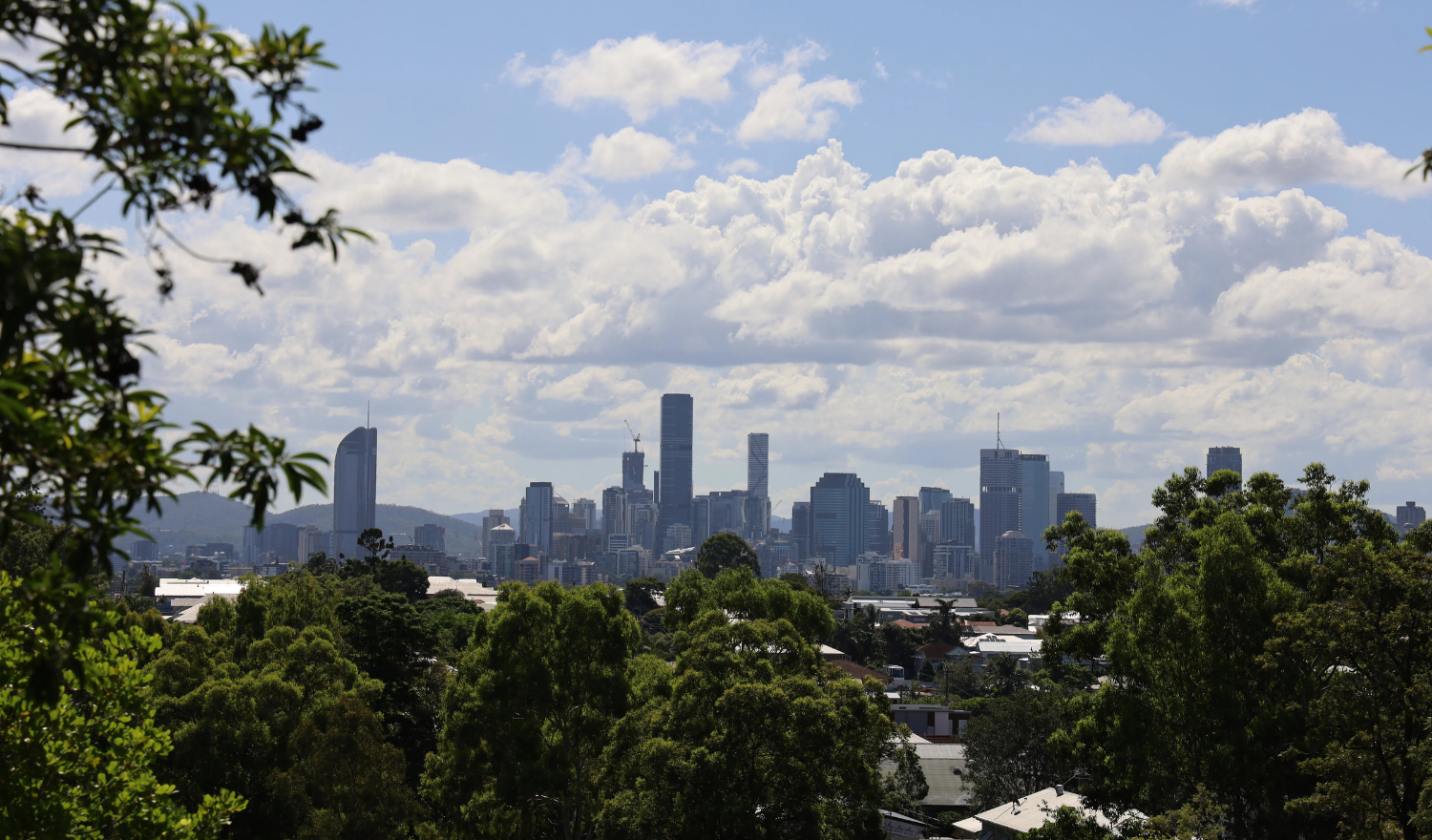
An established, family-focused southside suburb where buyers compete for character, schools and space
Every month, Investeps takes a closer look at one suburb through the same framework we use when assessing investment opportunities for our clients.
This month we're focusing on Camp Hill.
Camp Hill sits in Brisbane's inner south-east, between Coorparoo, Carina, Holland Park and Norman Park. It's known for its elevated streets, character homes, local village feel and access to some of the southside's best-regarded schools and green space.
It's also the home patch of Julia Doyle, Partner at Place Camp Hill, who joined Curtis on Episode 11 of Brisbane Property Pulse to talk about what's happening in the market from the selling agent's side.
Why we continue to watch Camp Hill
Camp Hill combines several characteristics we typically look for in an established Brisbane market:
- proximity to the CBD and major southside employment and retail centres
- an established village centre, plus a major shopping centre on the doorstep
- access to well-regarded government and private schools
- significant parkland and bushland reserves
- a large share of detached and character housing
- very limited opportunity to create new detached housing in an established suburb.
Camp Hill is overwhelmingly an owner-occupier suburb. At the 2021 Census, around 70.5% of homes were owner-occupied, and the suburb's median household income was well above the Brisbane and Queensland averages. Its population was 12,254, up 9.4% on 2016.
That depth of owner-occupier demand is an important part of the investment story. Many of the people competing for homes in Camp Hill are families buying to live, which tends to support resale values over the long term.
Established amenity supporting demand
Like Everton Park and Sherwood, Camp Hill's appeal isn't built on infrastructure that may arrive years from now. Most of what supports demand is already in place.
Shopping and dining. Camp Hill Marketplace on Samuel Street is anchored by a large Woolworths. The Old Cleveland Road strip and the boutique streets around Martha Street add cafés, restaurants and specialty shops, and Carindale and Coorparoo are close by for larger retail.
Transport. Old Cleveland Road and Stanley Road are the main routes into the city, with frequent buses along Old Cleveland Road between the CBD and Carindale. There's no train station in Camp Hill itself, but Coorparoo and Norman Park stations are in neighbouring suburbs.
Schools. Camp Hill State Infants and Primary School, St Thomas' Catholic School and Whites Hill State College (Prep to Year 12) are all within the suburb, which makes school catchments an important factor for family buyers.
Parks and bushland. Whites Hill Reserve, with sports fields, bushwalking trails and a lookout, and the Seven Hills Bushland Reserve give Camp Hill a level of green space that's rare this close to the city.
When Curtis asked Julia for Camp Hill's most underrated pocket, she pointed to the Whites Hill area near Whites Hill State College: close to Camp Hill Marketplace, easy access to Old Cleveland Road and walkable to cafés and the reserve. She also noted that it has a diverse mix of housing and people, which is part of its character.
What the current property market tells us
Camp Hill is a high-value, tightly held market.
According to PropTrack data covering the 12 months to October 2026, Camp Hill's median house price was $2,000,000, up 8.1% on the previous year, with 175 house sales and a median of 36 days on market. The median rent for houses was around $880 a week, a rental yield of about 2.5%.
Units recorded a median of $926,600 from just 31 sales, down 12.2% on the previous year, with a median of 17 days on market. The median rent for units was about $725 a week, a rental yield of about 3.6%.

A few things stand out.
First, this is a house market. With far more house sales than unit sales, Camp Hill is defined by its detached homes and the land they sit on.
Second, house yields are low. At around 2.5%, Camp Hill houses are primarily a long-term capital growth and land value proposition, not a cash-flow investment. With the cash rate now at 4.85%, holding costs need to be planned carefully.
Third, a 12-month median doesn't show the most recent direction of the market. Brisbane values fell 6.1% across the city over the three months to October, and Cotality notes that virtually every suburb across Brisbane recorded a fall over that period. In a suburb with relatively few sales, the median can also move with the mix of homes that sell, so recent comparable sales and current negotiations matter more than the 12-month figure.
Julia's experience reflects that. She noted that two-bedroom units in older walk-up blocks in neighbouring Coorparoo were selling quickly a year ago but are now taking longer, and that buyers are currently favouring finished homes over properties that need some work.
What we'd be looking for
When assessing an opportunity in Camp Hill, we'd be looking for properties with broad, long-term owner-occupier appeal rather than chasing yield.
That could include:
- character or post-war homes on usable land, where land value makes up a strong share of the price
- elevated, quieter residential streets away from Old Cleveland Road and other busy routes
- homes within sought-after school catchments
- walkable access to the village centre, Camp Hill Marketplace and the reserves
- functional family floor plans, or the potential to improve one without overcapitalising
- well-located homes that need cosmetic work, which buyers are currently less willing to take on
- properties that would appeal to both tenants and future owner-occupiers.
In the current market, there's also an opportunity in patience and preparation. With fewer buyers active and vendors discounting more, buyers who have done their research can take their time and negotiate on homes that would have attracted strong competition a year ago.
Investment considerations
Entry price. With a median house price around $2 million, Camp Hill houses require a substantial budget, and the yield is low. For many investors, the question will be whether a single Camp Hill house or a comparable budget spread differently better suits their strategy. A portfolio review can help answer that.
Character and planning controls. Many of Camp Hill's older homes, including Queenslanders and post-war homes, may be covered by Brisbane City Council's character overlays, and the suburb has a number of heritage-listed properties. These protections support the suburb's character and scarcity, but they can limit demolition and change what you're able to do with a property. Check the zoning and overlays for any property before you buy.
Flood and overland flow. Camp Hill is largely elevated, but exposure to overland flow and flooding varies from street to street and property to property. Check every address through Brisbane City Council's Flood Awareness Map and a FloodWise Property Report. As Julia pointed out on the podcast, overland flow and main-road exposure are things a seller can't fix.
Main roads. Old Cleveland Road brings convenience, buses and the village strip, but also traffic and noise. Quieter pockets can produce very different outcomes. It's worth visiting at different times of day, as we cover in our property inspection checklist.
Units. Unit sales are thin, the unit median is 12.2% lower than a year ago, and older walk-up stock in the area has softened. Investors considering a unit should look closely at building quality, body corporate records and sinking funds, and future competing supply.
Investeps view
Camp Hill shows why established, family-focused suburbs with genuine owner-occupier demand tend to hold their appeal over the long term.
Its strengths are clear: proximity to the city, a village centre, strong schools, significant green space and a limited supply of detached homes.
But that doesn't make every property in Camp Hill a strong investment.
Street position, overlays, flood exposure, the condition of the home and the price paid can all materially change the investment case, and in a suburb where house prices sit well above the Brisbane median, mistakes are expensive.
For us, the lesson is the same one that applies across Brisbane: suburb selection is only the starting point.
A quality investment is more likely to come from identifying a property with enduring demand, broad buyer appeal and limited obvious weaknesses, and buying it at a price that makes sense for the buyer's strategy. In today's market, that price may be more achievable than it has been for some time.
If you're considering Camp Hill or Brisbane's inner south-east, our buyer's agents can help you find, assess and negotiate the right property. Get in touch.
Sources
- Cotality Home Value Index, November 2026
- Camp Hill sales, rents and yields (PropTrack data via realestate.com.au, 12 months to October 2026)
- Camp Hill 2021 Census figures (Your Investment Property)
- Camp Hill, Queensland: schools, parks, transport and heritage
- Brisbane City Council Flood Awareness Map
- Brisbane Property Pulse, Episode 11 with Julia Doyle


